Explainer: Why Do Rocket Launches Happen from Specific Latitudes?
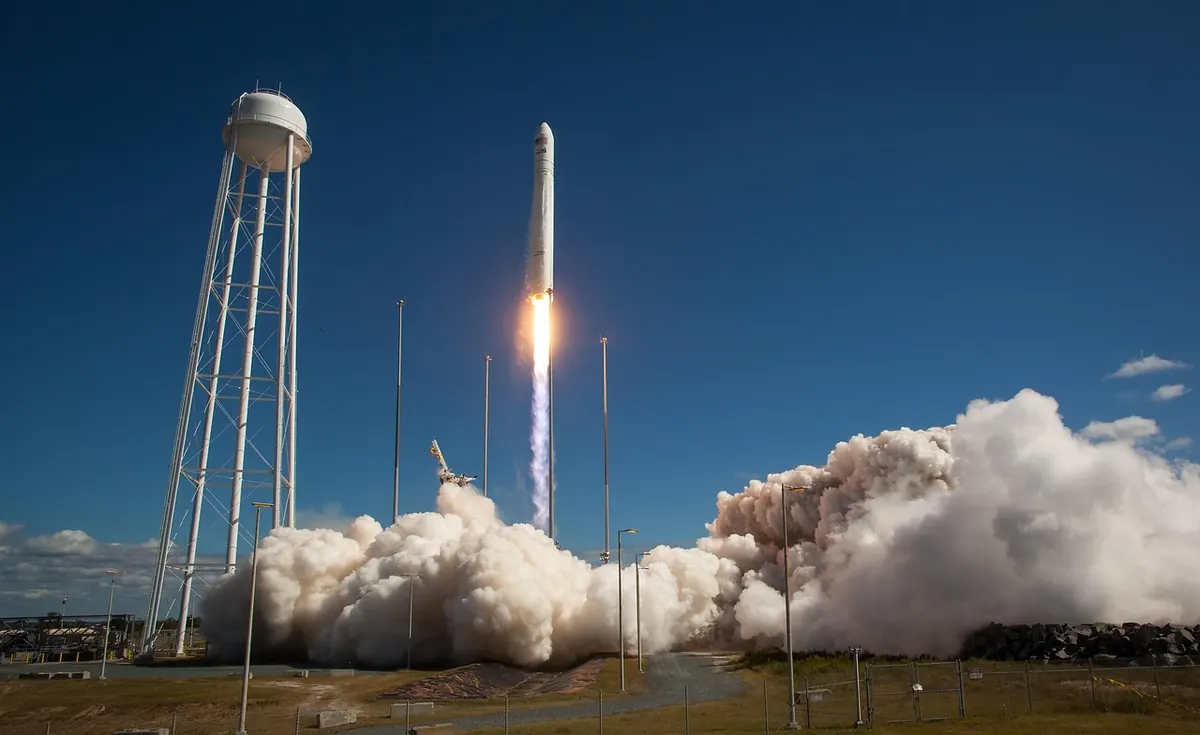
Stand on a beach near Cape Canaveral and the first thing you notice, after the noise, is the lean. Within seconds of leaving the pad, a rocket tips east and heads out over the Atlantic. That tilt is not a flight profile chosen for looks. It is the reason the pad exists where it does.
Launch sites are picked for physics first and logistics second. Latitude, Earth's eastward spin, the orbit a customer has paid for and the emptiness underneath the flight path all shrink the map of possible locations to a short list of coastlines, islands and, increasingly, northern headlands in the UK.
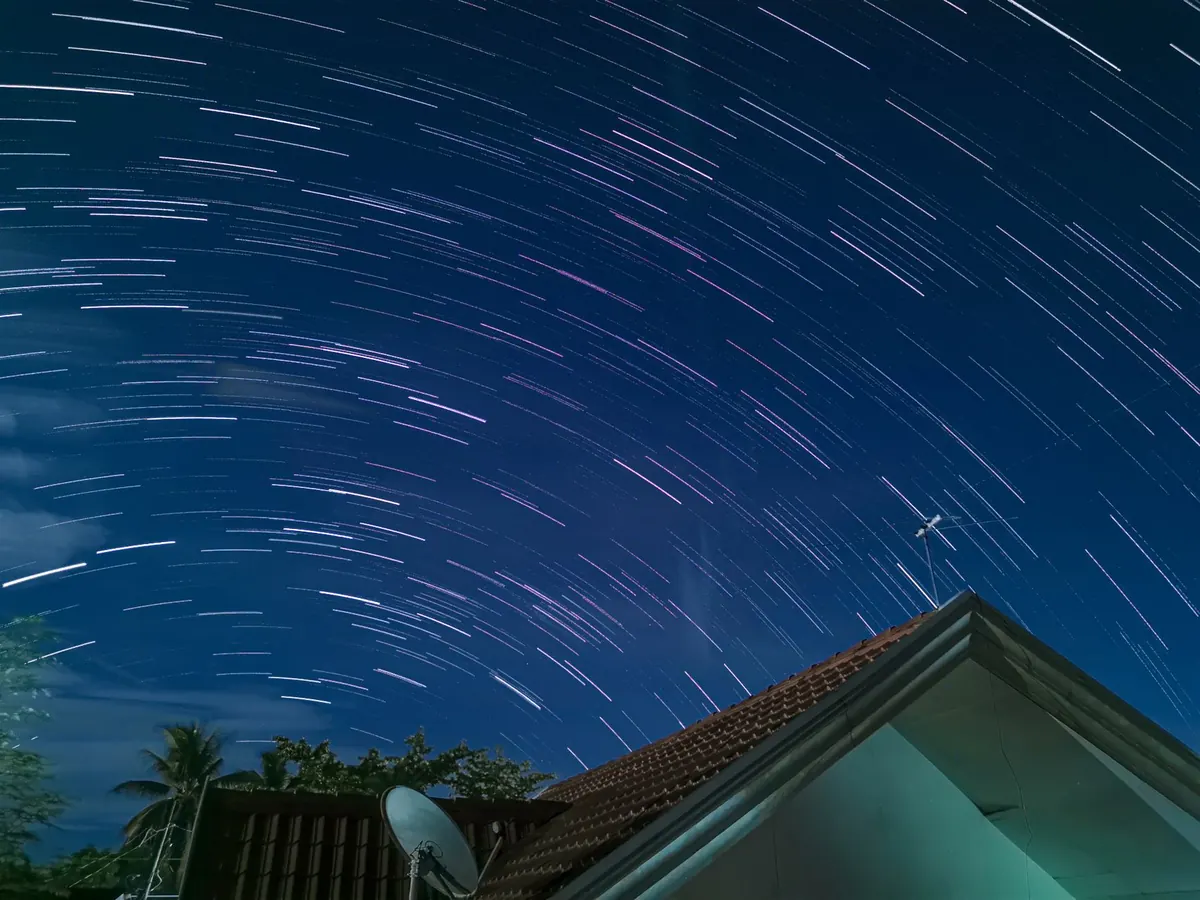
Earth's spin is free velocity
The planet turns eastwards at roughly 465 metres per second at the equator, about 1,670 km/h. Stand still in Ecuador and you are already moving. That rotation speed falls away as you travel north or south, in proportion to the cosine of your latitude.
At Cape Canaveral, around 28.5 degrees north, the ground is doing roughly 409 metres per second eastwards. Launch east and the rocket keeps that motion, so it needs less propellant to reach orbital speed. From a site at 60 degrees north the free push is closer to 230 metres per second. That difference of nearly 200 metres per second is real performance, and it is why equatorial launch sites are prized for heavy geostationary missions.
The same logic works in reverse. Launch westward and you must first cancel the rotation you inherited. Very few missions do it, and those that do pay for it in propellant.
Latitude sets the orbits within easy reach
Inclination, the tilt of an orbit relative to the equator, is decided largely by where you launch rather than by steering in space. A rocket launched due east from a site at latitude 28.5 degrees ends up in a 28.5 degree orbit. From Baikonur, at about 46 degrees north, the same manoeuvre gives a 46 degree orbit.
The rule of thumb is that an easterly launch can reach any inclination at or above the launch site's latitude. Launching from Baikonur to the International Space Station, which sits at 51.6 degrees, means flying slightly north of due east. Reaching an inclination below your latitude is much harder. You would need a plane change, and plane changes are brutal. At orbital velocity, tilting an orbit by ten degrees can demand an extra kilometre per second or more, which is more than most upper stages have to spare.
That one constraint explains a lot of geography. Kourou, at just over five degrees north, can serve low-inclination and geostationary transfer orbits almost directly. Cape Canaveral, at 28.5 degrees, matched the needs of early American launches and still suits many commercial and cargo missions. Baikonur's high latitude shaped Soviet and Russian launch practice for decades.
When flying north beats flying east
Not every mission wants a low inclination. Satellites that image the Earth, monitor ice or cross the poles on every orbit fly in polar or sun-synchronous orbits, with inclinations near 90 degrees or a little beyond. For those, launching north or south is the sensible option, and low latitude stops mattering.
This is why Vandenberg, on the Californian coast at about 34.7 degrees north, launches south over the Pacific, and why Rocket Lab's pad on the Mahia Peninsula in New Zealand fires south-east across open water. A sun-synchronous satellite also wants to cross the equator at the same local time every day, which pins down both the inclination and the moment of launch.
The sea is part of the launch pad
Range safety shapes launch sites as much as orbital mechanics does. Boosters, fairings and stages come back down, and if a launch fails, they come down sooner and less predictably. Launch ranges therefore need thousands of kilometres of ocean or empty land downrange, plus radar and telemetry stations along the way.
Cape Canaveral launches east over the Atlantic. Kourou fires east and north over open water. Vandenberg goes south. Before every flight, airspace and shipping are cleared, with notices to mariners and aviators issued days in advance. A launch site hemmed in downrange by cities, motorways or busy air routes is not a launch site for long.
What this means for UK spaceports
Britain sits at an awkward latitude for low-inclination missions and a decent one for polar and sun-synchronous work. That shapes what the country's spaceports are built to do.
- SaxaVord, on Unst in Shetland, sits near 60.8 degrees north. Its selling point is not rotation speed but open water to the north and west, ideal for firing into polar and sun-synchronous orbits.
- Sutherland Spaceport in the far north of Scotland takes a similar approach, with a clear run north over the sea.
- Spaceport Cornwall at Newquay uses a different model. A carrier aircraft releases a rocket over the Atlantic, which allows some flexibility in heading and avoids building a vertical launch pad on a busy coast.
All of these operations are licensed and regulated in the UK by the Civil Aviation Authority, which looks at safety, debris risk and the interests of other airspace users. High latitude is not a drawback here; it is the whole point. A launch site is only useful if it points at the orbits its customers want.
Reading a launch site like a planner
Next time a launch appears in the news, a few quick checks will explain why it happens where it does.
- Find the latitude. It sets the lowest inclination reachable with a straightforward easterly launch.
- Look at a map for the sea. The direction of open water usually points at the orbits the site serves.
- Check the target orbit. Low-inclination and geostationary missions favour low latitudes; polar and sun-synchronous missions favour high ones with a clear run north or south.
- Watch the rocket's first turn. Most vehicles roll and pitch within seconds, and the direction they lean tells you what the mission is doing.
- Read the notices. Launch windows, maritime warnings and airspace closures are published in advance and often explain a delay better than the weather forecast does.
None of it is arbitrary. A launch pad is a working compromise between the free speed the planet hands you, the orbit the payload needs, and a long, empty corridor for everything that falls away on the way up.
Photo: 12019 / Pixabay


You Might Also Like
A plain-English guide to astronomical units, light-years and parsecs, with everyday scale tricks that make the huge numbers behind space stories easy to picture.
A practical guide to telling the ISS, Starlink trains and sudden satellite flares apart using timing, direction, brightness and simple tracking tools.